






Introduction
Accidents can happen unexpectedly, often leaving individuals with overwhelming medical expenses. Whether it’s a car crash, workplace injury, or natural disaster, the cost of treatment can easily exceed what most insurance policies cover. Fortunately, in 2025, several U.S. government programs provide accident medical aid to help victims recover without facing financial ruin.
This article explores the major federal and state programs that assist accident victims with healthcare coverage, rehabilitation, and related financial support. Whether you’re uninsured, underinsured, or recovering from a large-scale disaster, these programs can offer crucial relief.
1. Understanding Government Medical Assistance for Accident Victims
Government-backed medical aid programs are designed to ensure every citizen has access to essential healthcare services, especially in emergencies. In 2025, these programs have become more inclusive and digitalized, allowing easier applications and quicker approvals.
Common Benefits Include:
- Coverage for hospital stays and surgeries
- Prescription medication assistance
- Physical therapy and rehabilitation funding
- Temporary disability payments
- Support for long-term medical care
These programs bridge the gap between private insurance coverage and actual medical costs, helping victims focus on recovery instead of debt.
2. Medicaid: Support for Low-Income Accident Victims
Medicaid remains the cornerstone of medical aid for accident victims in the U.S. It provides free or low-cost healthcare coverage to eligible individuals and families with limited income or disabilities.
Key Highlights (2025 Updates):
- Covers emergency care, surgeries, rehabilitation, and prescription drugs
- Expanded telehealth access for post-accident therapy
- Includes mental health counseling for trauma recovery
- Automatically coordinates with state-run injury assistance programs
Who Qualifies:
- Low-income adults and families
- Pregnant women and children injured in accidents
- People with disabilities or long-term impairments from injuries
You can apply through your state Medicaid office or HealthCare.gov.
Read more on Investopedia about Medicaid eligibility and benefits in 2025.
3. Medicare: Aid for Seniors and Disabled Accident Victims
Medicare primarily supports Americans aged 65 and older, but it also assists younger individuals with certain disabilities or severe injuries.
Coverage Options:
- Part A: Hospital stays, surgeries, and inpatient care
- Part B: Doctor visits, outpatient therapy, and medical equipment
- Part D: Prescription drug coverage
- Medicare Advantage (Part C): Combines benefits and adds rehabilitation coverage
In 2025, Medicare has improved coordination with rehabilitation centers, ensuring accident victims receive timely and continuous care after discharge.
4. FEMA’s Disaster Medical Assistance Programs
If your accident occurred during a natural disaster or declared emergency, the Federal Emergency Management Agency (FEMA) can help cover medical and related costs.
FEMA’s Assistance Includes:
- Disaster Medical Assistance Teams (DMAT): On-site emergency medical care during disasters.
- Individual Assistance Program: Reimburses out-of-pocket medical and dental expenses caused by a disaster.
- Temporary Housing and Transportation Aid: Helps injured individuals relocate for treatment.
FEMA aid is especially vital after hurricanes, floods, wildfires, or earthquakes — when hospitals are overwhelmed and traditional insurance may not cover damages.
5. Social Security Disability Insurance (SSDI)
If an accident causes long-term disability, SSDI offers monthly financial support and access to medical care.
Program Benefits:
- Monthly income replacement for those unable to work
- Automatic Medicare eligibility after 24 months of SSDI benefits
- Additional support for dependents in certain cases
You can apply online at SSA.gov, providing medical documentation and proof of disability caused by the accident.
6. Workers’ Compensation Programs
For employees injured on the job, Workers’ Compensation (WC) remains one of the most reliable forms of medical assistance. These programs are run by individual states but are legally required for most employers.
Coverage Includes:
- Full or partial wage replacement
- Hospital and surgical expenses
- Physical therapy and long-term care
- Return-to-work rehabilitation services
Employers must file a WC claim promptly after the injury, ensuring employees receive benefits without delay.
7. Veterans Affairs (VA) Accident Medical Aid
Veterans who experience accidents, whether during active duty or as civilians, can access healthcare through the U.S. Department of Veterans Affairs (VA).
VA Assistance Covers:
- Emergency medical treatment after accidents
- Physical therapy and prosthetic support
- Counseling for post-accident trauma
- Home and vehicle modification for mobility-impaired veterans
VA hospitals have expanded telehealth and outreach services in 2025, ensuring faster access to rehabilitation programs for injured veterans.
8. State and Local Medical Assistance Programs
Each U.S. state operates its own supplemental accident assistance initiatives, often tied to Medicaid or public health departments.
Examples:
- California: Medi-Cal Accident Recovery Support
- New York: Emergency Medical Assistance Program (EMAP)
- Texas: State Accident Aid and Rehabilitation Initiative
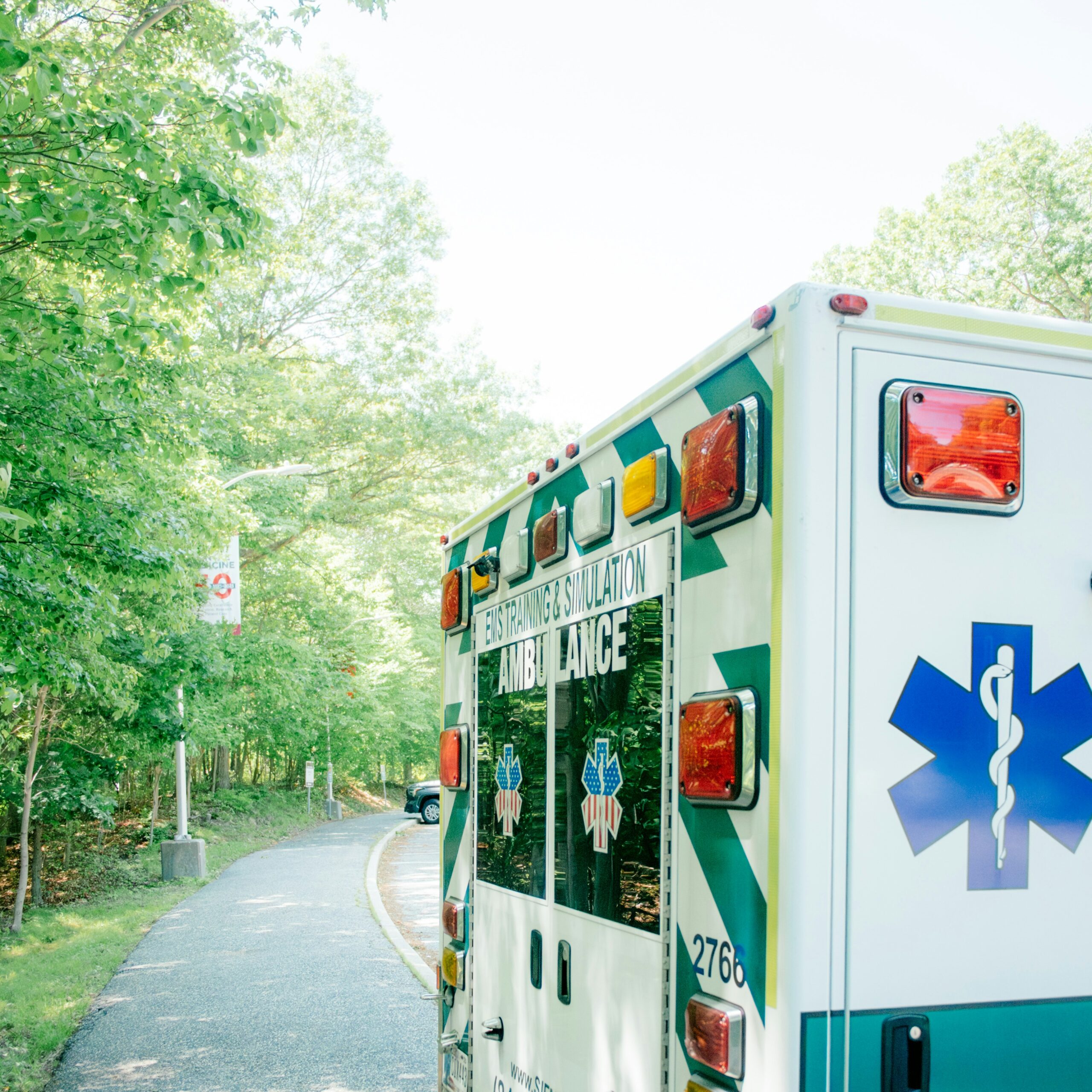
These programs fill gaps left by federal systems and often include temporary financial relief, mental health counseling, and community rehabilitation support.
9. Applying for Government Accident Medical Aid
Applying for government-funded medical aid in 2025 is easier than ever, thanks to digitized platforms.
Steps to Apply:
- Identify your eligibility — based on income, disability, or accident type.
- Prepare documentation — hospital bills, insurance details, proof of income, and identification.
- Apply online — via HealthCare.gov, SSA.gov, or your state’s official portal.
- Follow up — track your claim status and respond to verification requests.
Tip: Always consult a legal aid office or nonprofit advisor if your claim is delayed or denied.
10. Challenges and Common Denials
While these programs offer strong support, some applications are denied due to incomplete documentation, missed deadlines, or ineligible claims.
Avoid Denial By:
- Submitting accurate, up-to-date information
- Keeping medical receipts and accident reports organized
- Consulting a legal expert for appeals or disputes
Persistence and timely follow-ups can significantly improve approval chances.
Key Takeaways
- Multiple government programs like Medicaid, Medicare, and FEMA provide accident-related medical assistance.
- SSDI and Workers’ Compensation ensure income and healthcare support for those unable to work.
- State and local programs complement federal aid, offering personalized assistance.
- Proper documentation and timely applications are crucial for successful claims.
Conclusion
In 2025, the U.S. government continues to strengthen its commitment to helping citizens recover from accidents through accessible medical aid programs. From Medicaid and Medicare to FEMA and SSDI, these systems ensure that accident victims receive both immediate treatment and long-term care.
By understanding the options available and applying proactively, individuals can protect their health and financial stability during challenging times.
For more insights into public health and insurance systems, read more on Forbes about federal healthcare initiatives in 2025.
FAQs
1. Which government program helps most with accident-related hospital bills?
Medicaid and Workers’ Compensation provide the most direct hospital bill coverage for accident-related injuries.
2. Can FEMA help with medical bills after a natural disaster?
Yes, FEMA may reimburse medical expenses caused by federally declared disasters through its Individual Assistance Program.
3. What if I’m self-employed and injured in an accident?
Self-employed individuals can apply for Medicaid, SSDI, or private marketplace insurance assistance depending on their income level.
4. Is government medical aid available for foreign residents in the U.S.?
Some emergency programs, like Medicaid’s Emergency Medical Services, cover non-citizens in life-threatening accident cases.
Call-to-Action
If you or someone you know is struggling with accident-related medical expenses, explore your state’s health department website or HealthCare.gov to find the most suitable government support available today.